So, you’ve found that the convenience and efficiency of a drip coffee maker are right up your alley, and you’ve enjoyed drip coffee for years now. But either your current machine has stopped working (gasp!), or you’re looking to step up your coffee game a little? No problem; you’re in the right place to learn everything you need in order to make an informed decision.
In this guide, I’m going to explain every single thing you should consider when buying a new drip coffee brewer, from price all the way down to adjustable coffee bloom time. And if you haven’t heard of coffee bloom time, get ready; you’re in for a treat!
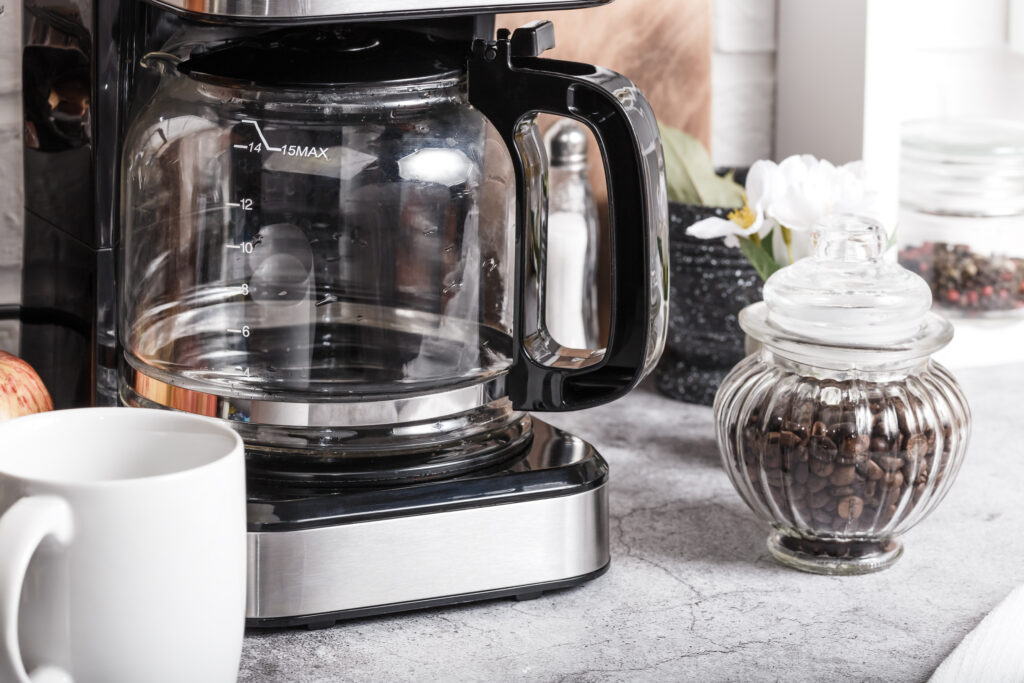
Brewing the Best Coffee for Your Taste: A Case for Other Brewing Methods
We all want delicious coffee — whether you’re the kind of person that uses coffee just as a means of caffeination or you adore tinkering with recipes and ratios to get the perfect cup, taste should drive which coffee brewer you buy.
In fact, taste should drive what brewing method you use too. Drip coffee machines are great for a whole host of reasons:
- They’re readily available from Amazon and just about any home goods or electronics store
- They’re cheap
- They’re super easy to use
- The brewing process is hands-off and takes minimal time
- They can be programmed to have your coffee ready for you at a specific time
However, I’d be remiss if I didn’t mention that you should consider other methods of brewing. Lots of people grow up with drip machines and never explore other brewing options. There’s nothing inherently wrong with drip makers, but my job here is to get you the best home-brewed coffee possible.
To that end, I recommend trying French press coffee, pour over coffee, espresso, and any other method you can get your hands on before you run out and buy a new drip machine. You might like it way better and be willing to put in a few minutes of time each morning to opt for the more hands-on brewing approaches.
I get it, though: if you’re in a rush and just want to get back to getting your daily caffeine fix, I’m not going to press the issue of exploration and experimentation. Let’s get into what you should consider when buying a new drip coffee maker.
What to Look for In a Coffee Maker
So what are the things you should look for in a drip coffee maker? You’ve got a lot of research to do! Below are the top ten things I recommend paying attention to. These are loosely in order of importance, in my opinion.
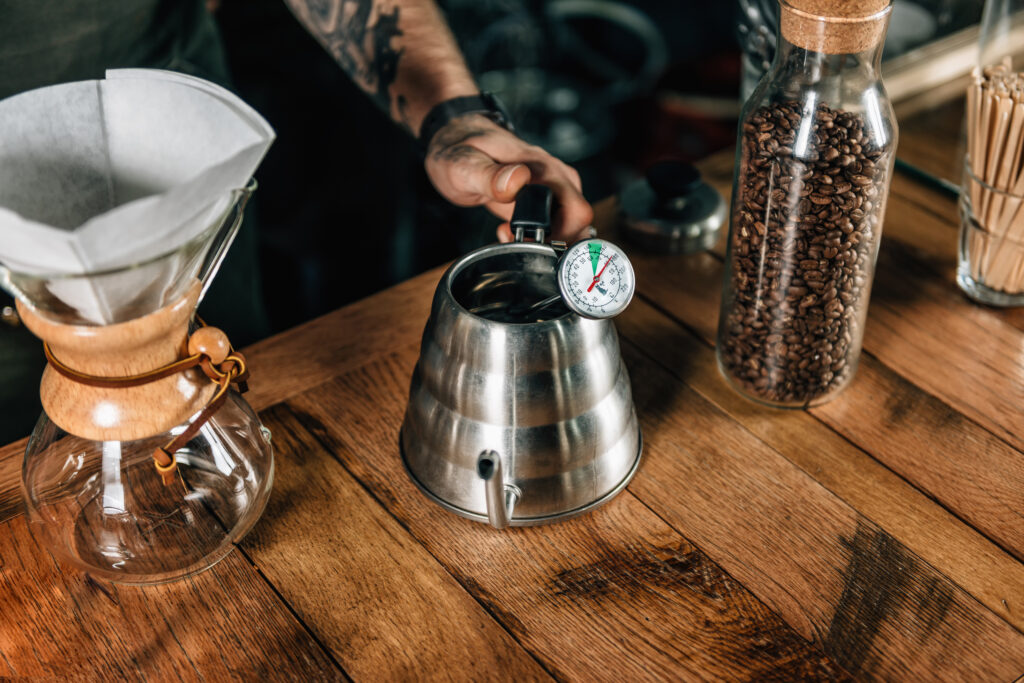
Water Temperature
The optimal water temperature for brewing coffee is between 200 and 205 degrees (F), although brewing with boiling water — 212 degrees (F) — is a common practice and one that’s perfectly fine. So drip coffee makers surely aim for somewhere around this range, right? WRONG.
Most run-of-the-mill drip coffee machines — typically in the sub-$75 range — will rarely heat your water up beyond 190 degrees (F).
Not only does water temperature matter, but being able to control the brewing temperature matters too.
Warning: I’m going to nerd out here for a moment.
Different temperatures of water lead to different extraction rates of a huge array of compounds from coffee grounds, including caffeine. Higher temperatures tend to extract more bitter compounds from coffee, like phenylindanes (usually highest in dark roasts) and chlorogenic acid lactones (usually highest in light roasts).
The higher the brewing temperature, the more you get these bitter flavors. On the other hand, low brewing temperatures pull these bitter compounds out at much slower rates, and they also can totally fail to extract the sugars and oils — namely sucrose, linoleic acid, palmitic acid, oleic acid, and stearic acid — that give coffee its flavor.
Nerd-out complete.
So, what does this mean for YOU when you’re choosing a drip coffee maker? Well, first, it means you should invest in a high-quality (usually pricey) coffee machine to extract the full flavor from your precious coffee beans. Buying a budget brewer is fine if you’re just looking for a caffeine fix, but if you want full-flavor coffee, investing a bit more in a brewer that can reach the proper temperature is necessary.
Second, it means choosing a brewer that lets you dial in the water temperature is ideal. Maybe you prefer highly bitter coffee, or maybe a specific bean is more suitable to your taste when brewed close to boiling. And maybe you prefer sweet, fruity flavors with a little acidity, which are best achieved using a slightly lower temperature, or a specific bean tastes better to you when brewed at a lower temp.
Choosing a coffee machine that lets you select water temperature will give you the most versatility and really let you dig in and find the best setting for your taste.
PHEW. Enough about water temperature. In my opinion, this is the most crucial factor to get right, so I’ve spent the most time dwelling on it. Let’s move on. Things will be quicker from here on out, I promise.
Brewing Time
Coffee should generally be brewed for between four and six minutes in a drip machine. But do most drip coffee makers maintain this timeline? No, of course not! In fact, lots of machines boast that they can “brew” a cup in just 60 seconds. If you’re looking for expediency only, that might be fine for you; but if you want flavor and depth in your coffee, you need longer.
Choosing a coffee maker that brews for between four and six minutes — or at least gives you the option to — is your best bet for taste. Given proper water temperature, longer extraction times up to a point will bring out the highest concentration of the sugars, oils, and other compounds that give coffee that sweet, robust flavor that most people find enjoyable.
Under-extracted coffee that isn’t brewed long enough often tastes acidic or even sour. Over-extracted coffee will usually taste overly bitter. Maybe you prefer one of these extremes over a balanced cup. Either way, having control over your brewing time will let you brew the coffee that you like the best.
Brew Customization
There are other things that can be customized about your brew, too, and some of the best coffee machines let you tinker with those settings as well. These settings usually include “strength” or “robustness,” although these things are challenging to quantify on most drip machines. Still, they can offer some customization to help you find what works for you.
Some of the more expensive drip machines — like the Breville Precision machine and the Technivorm Moccamaster, two of my top picks for drip coffee makers — also let you customize the bloom time, which is another factor that affects the extraction rate of different compounds and, consequently, the flavors you get in your cup.
Filter Basket Shape
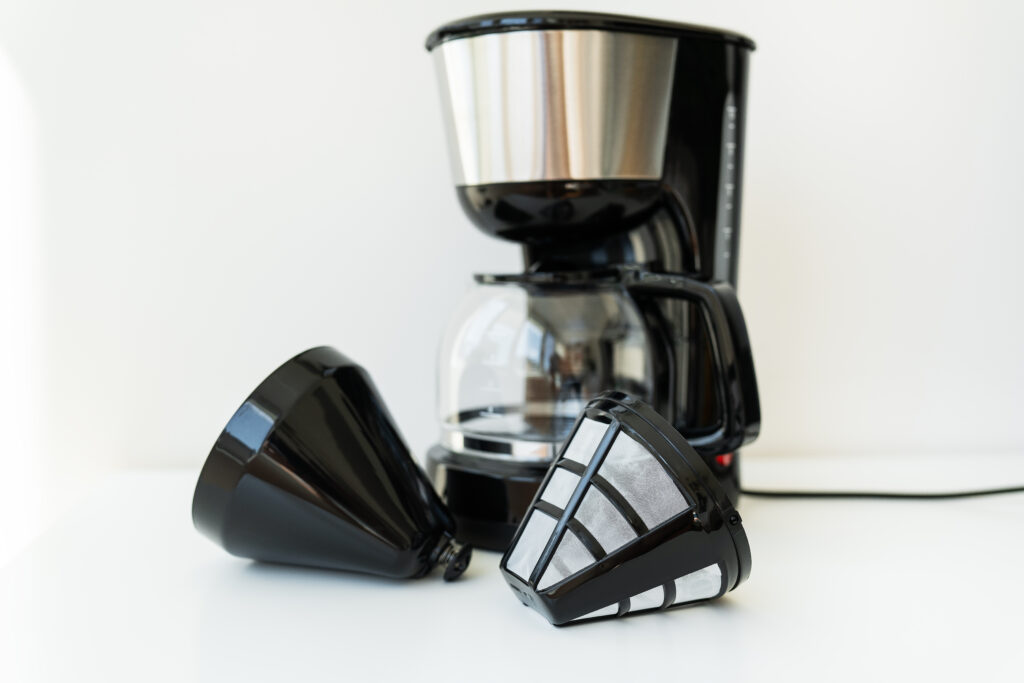
Drip machines traditionally use a flat-bottom filter basket. Why? Probably because these coffee makers are designed for convenience, and the flat-bottom design usually lets you make more coffee per batch.
There’s absolutely nothing wrong with a flat-bottom filter, but it does affect the flavor. Flat filters tend to let water flow through the coffee more quickly, which means less extraction time and altered flavors. They usually highlight fruitier flavors and sweetness.
Conical filter baskets have a slower flow rate, meaning they keep the hot water and coffee in contact longer. That means longer extraction times, which brings out the earthier and “heavier” flavors of a coffee. Rather than sweetness and bright acidity, you’ll get chocolate, hazelnut, and roasty flavors more readily.
Our top pick for a drip coffee maker — the Breville Precision Brewer Thermal — comes with two filter baskets, so you can pick what suits your taste, your mood, or the coffee you’re brewing best.
Batch Size
Batch size is the next thing I’d recommend looking at when choosing a drip coffee maker. There are two things to consider when choosing batch size.
First, you should know that the batch size matters for the extraction rate. Large batch sizes mean an overall slower brewing process, which means more extraction. More extraction of compounds from the coffee grounds means you’re more likely to get burnt, bitter flavors in your brew. Smaller batch sizes are more likely to be fruity, acidic, and bright.
Second, the batch size plays a major role in how convenient it will be for you to make coffee, especially if you drink a lot each day or have multiple coffee drinkers living in your home.
A single-serve drip maker might be best for you if you live alone or with non-coffee-drinkers (these still exist?) and only drink one cup a day. However, that same machine would be a nightmare and probably last less than a year in a home that houses three or four heavy coffee drinkers.
Larger batch sizes may be better for big families or for serving company, as long as you’re willing to sacrifice a bit in the flavor department.
Carafe Type and Hot Plate
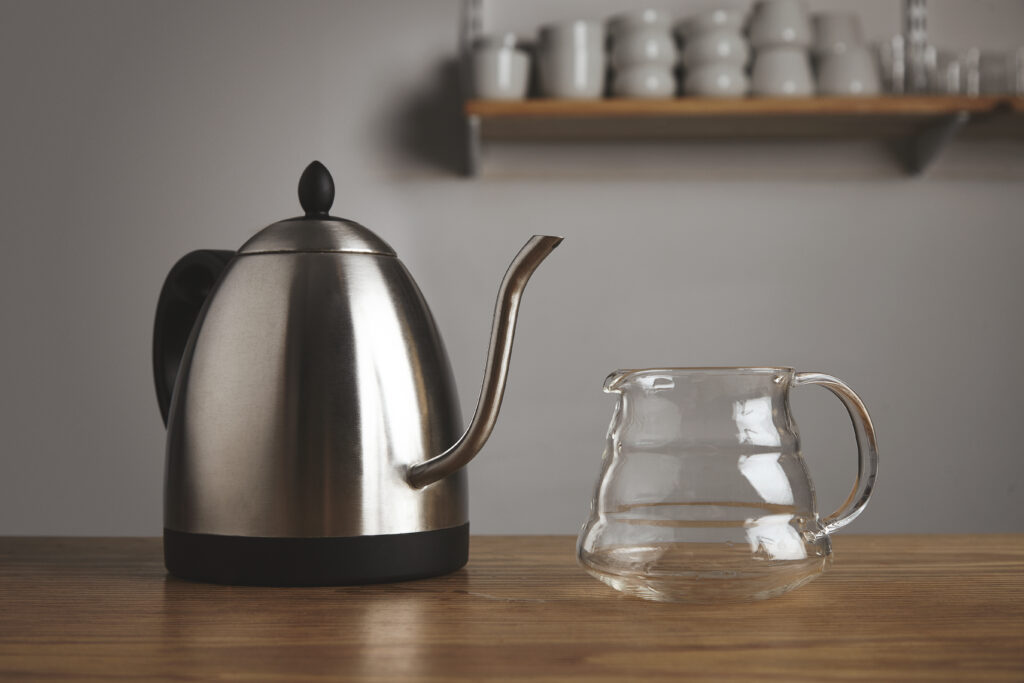
The types of carafe and hot plate your coffee maker comes equipped with are important as well. I strongly recommend a stainless steel carafe and a coffee maker that doesn’t have a hot plate at all.
Glass carafes are the standard because they’re cheaper to make, but they break more easily and lose heat quickly, so your maker needs a hot plate to keep your coffee warm. Thermal stainless steel carafes are ideal because they’re super durable, often portable, and can keep your coffee warm without an external heat source.
Hot plates on a brewer might seem convenient, but all they’ll do is make your coffee bitter and burnt-tasting. Keeping your coffee on an external heating source will continue the extraction process, and although your filter will remove most of the particles from your brewed coffee, some will remain and put out off-flavors if they’re continuously heated.
Price
I’m guessing you were expecting price to be higher up on my list of things to look for in a drip coffee maker, especially since some of the brewers I recommend are over $300. Here’s the thing, though: you get what you pay for.
Low-quality coffee makers in the $30 to $75 range won’t sufficiently heat your water, they’ll typically provide no customization options for the brewing process, they usually include glass carafes and hot plates, and they won’t last as long as high-quality options.
Plus…you probably drink coffee every single day. Why not make a good cup every morning? You might spend an extra $100 to $200 on your coffee machine up front, but a high-end drip machine that lasts five years on average will end up costing you an additional $0.09 to $0.18 per day for significantly better coffee. Isn’t that worth it?
Accessories
Lots of drip makers come with accessories and add-ons to “sweeten the coffee pot,” so to speak, and give you a better deal. Some things you might want to consider include the following:
- Water Filters: Water filters can remove impurities and minerals from your tap water both to make your coffee taste better and more consistent and to reduce scale buildup in your brewer. You will need to replace them from time to time, which is an added ongoing expense, but they can also extend the life of your brewer, making them a worthwhile accessory.
- Grinders: Some coffee makers come with built-in coffee grinders or standalone coffee grinders. In my opinion, going from pre-ground coffee to whole bean coffee that you grind yourself is the fastest and most impactful way to step up your coffee game. Choose a burr grinder over a blade grinder if you can, as this will give you a more consistent grind size, which translates to more control over how your coffee tastes.
- Milk Frothers: In some rare cases, drip machines — like the Ninja CM401, one of my top drip machine picks — include milk frothers. These machines produce steam and pass them through the steaming wand so that you can froth milk for mixed coffee drinks, including lattes, cappuccinos, and more.
- Permanent Filters: A popular accessory option for drip coffee machines is a permanent mesh filter, which you can reuse rather than using paper filters. A mesh filter ends up being cheaper in the long run, and it also cuts down on waste. Just be sure to wash permanent filters thoroughly after each use to cut down on off-flavors in your coffee.
Other Brewing Options
Some drip coffee makers are integrated into machines that handle other brewing styles as well. For example, the Ninja CM401 makes an espresso-like coffee concentrate for use in mixed coffee drinks. Other machines may also offer capsule brewing — similar to a Keurig coffee maker — true espresso, cold brew, and more.
If you like the convenience and expediency of a drip maker but also want the option to try out different brewing methods, a machine with multiple options like this might be ideal for you.
Steal-A-Cup Feature
Finally, one of the most common features in a drip coffee maker is the steal-a-cup feature. Basically, there’s a spring-loaded stopper located beneath the filter tray, which prevents brewed coffee from dripping out temporarily while the carafe is removed. This feature lets you “steal a cup” in the middle of a large batch being brewed.
This feature is really nice to have, and it’s only last on my list of criteria because it appears on so many modern drip machines. Most coffee drinkers don’t need to look for this feature specifically.
Wrapping Up: Choosing the Best Drip Machine for Your Needs
As you can see, choosing a drip coffee machine is a pretty involved process with a ton of things you should think about and optimize for according to your personal taste and coffee needs.
Hopefully, this guide has helped you decide which factors are most important to you and your home, and maybe it has even got you thinking about some things you didn’t know were important to you. That would be a win in my book!
If you want some specific machines I recommend, you can check out my guide to the best drip coffee machines overall and for specific uses.
FAQ
Should I use pre-ground coffee in my drip coffee machine?
Millions of people use pre-ground coffee in their drip machine every morning, and while this is always an option, I very strongly recommend against it. Just minutes after coffee beans are ground, their freshness and potential for flavorful coffee begin to degrade rapidly.
I suggest investing in a coffee grinder — burr grinders are best, but blade grinders are better than nothing — and buying whole bean coffee instead of pre-ground. In my opinion, this is the fastest and best way to improve the flavor of your coffee at home.
How often do you need to clean a drip coffee maker?
The removable parts of a drip machine — the filter, filter bucket, and carafe — should be washed with soap and hot water after every use. Once every two to three months, you should also clean out your drip machine by running a mixture of white vinegar and water through it several times. This will kill bacteria that thrive in the water reservoir and remove mineral buildup from inside the coffee maker.
Is an expensive drip coffee machine worth it?
In my opinion, yes. I’ve owned dozens of drip coffee machines over the years, and the only one I’ve used consistently is the Breville Precision Brewer, which retails for over $300. While this seems like a lot, it has worked perfectly for years, gives me total control over my brewing process, and yields a tastier cup of coffee every single morning. It is worth every penny I paid for it.
Is a drip machine the best way to make coffee?
This really comes down to personal preference and what you’re looking to get out of your coffee. Drip machines are probably the easiest and most convenient way to make coffee, especially in larger batches. As such, they’re suitable for people on the go, and they can even be great for coffee connoisseurs if you invest in a high-end option.
I always recommend some experimentation, though. Maybe you’ve only had drip coffee and would actually like French press way more. Or maybe a pour over that delivers fruity and acidic flavors would suit you better. Tinkering and experimenting are the only ways to find what works for you.
What’s the most important factor to consider when buying a drip coffee maker?
In my opinion, the temperature of the water your drip machine can hit is the most crucial factor to consider when buying a new drip coffee maker. Coffee is usually best when brewed above 200 degrees (F), but lots of drip machines can’t hit over 185. Hot water yields more flavorful and less acidic coffee that has a better balance of sweetness and bitterness. Drip makers that can hit over 200 and give you precise control over the water temperature are the best.